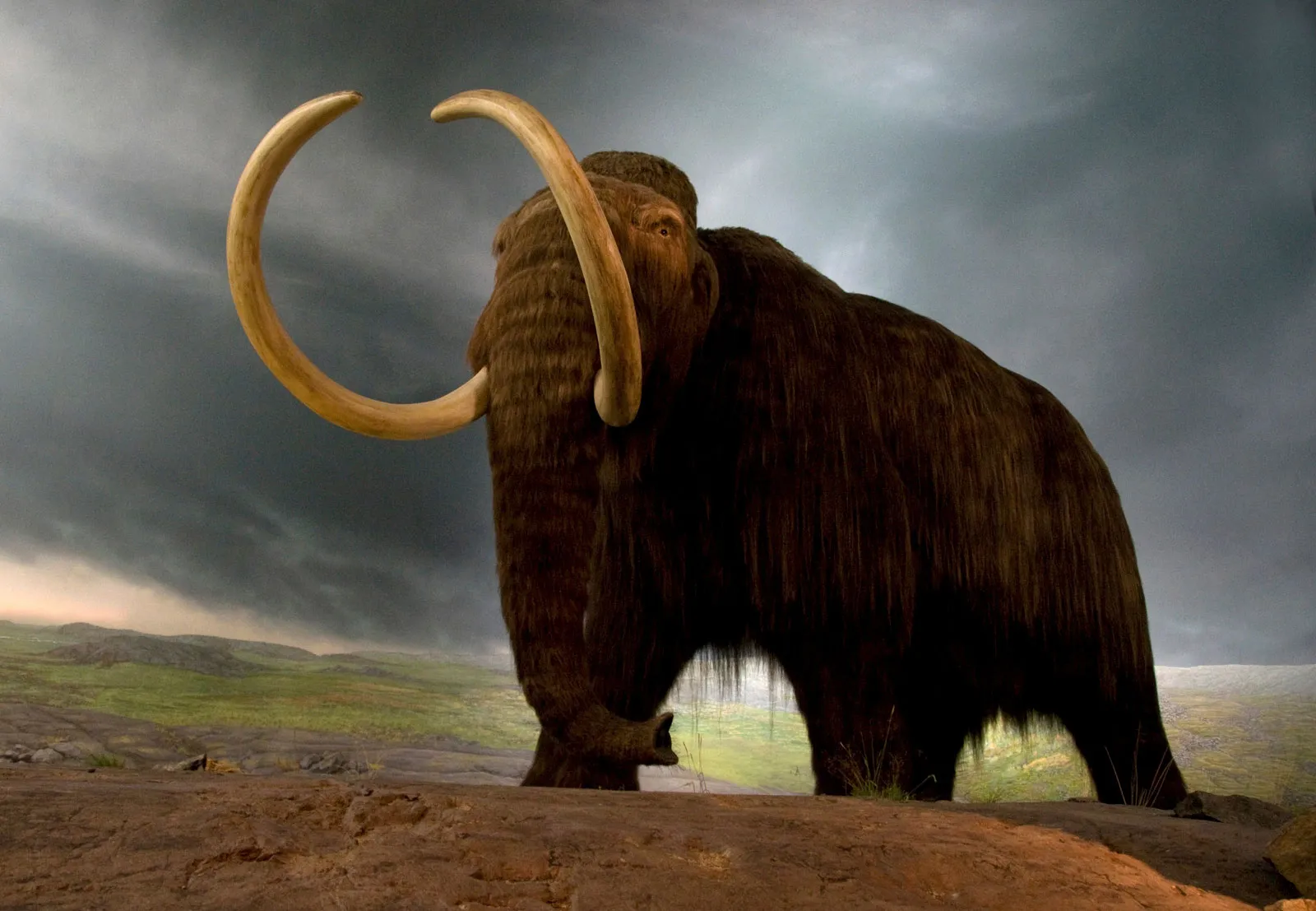
Ghosts of the Past: What We Learn from the Extinct Woolly Mammoth
"Modern elephants carry the DNA echo of ancient giants."
The woolly mammoth is gone, but today's elephants—especially Asian elephants—are its
closest family members. By learning about mammoths, we learn more about our elephants,
our planet, and even our future.
How Mammoths and Elephants Are Connected
Scientists have found that woolly mammoths and Asian elephants share many of the same
genes. They had similar bodies, strong tusks, and powerful trunks. Mammoths were simply
built for the Ice Age, with long, thick hair and lots of fat to stay warm in the snow. This family
connection helps us understand how elephants changed over millions of years.
The Science of Bringing Mammoths Back
Today, scientists are talking about "de-extinction." This is the idea of using science (called
CRISPR gene editing) to create a cold-weather elephant that has some mammoth genes.
Some scientists think this could help the Arctic lands, but others worry if it's right to bring
back an animal that disappeared thousands of years ago. The discussion is ongoing and
makes us think hard about science and our responsibility.
What Mammoths Teach Us About Survival
Studying mammoths helps us understand how animals handle big changes in weather.
These ancient giants survived harsh ice ages but disappeared when the world warmed up
and humans spread out.
Their story is a warning about how fragile nature is. It reminds us why we must protect
modern elephants, who are now facing their own problems from habitat loss and climate
stress.
Conclusion
The woolly mammoth may be gone, but its memory lives on in the elephants walking our
planet today.
The past still walks beside us — in the shadow of the elephant.